
Preparatory general chemistry intensive
Five mornings on your campus, working the material behind the first university midterms in real exam formats. The 30-hour readiness tier adds afternoons on study, exam, and time-management skills.

Intensives for seniors, cohort coaching, and workshops for your teachers. One PhD chemist, on campus or live-virtual.
Give your seniors the skills college demands.Give your school a readiness program no brochure can match.
College success requires more than just ambition. It needs:
Be the school that provides a foundation.
Get the Full Program Pitch
Five mornings on your campus, working the material behind the first university midterms in real exam formats. The 30-hour readiness tier adds afternoons on study, exam, and time-management skills.

Twelve weekly live-virtual sessions for a STEM-track cohort: study systems that hold up under a real course load, course planning, and the transition to university-level independence.
Working sessions for a whole room at once, on campus or live-virtual, delivered by a scientist who uses the tools he is teaching.
Which classroom technology and AI are worth adopting, what to skip, and how to run it in a course that still grades honestly. Methods for the following week, not a vendor pitch.
What the tools cost, what they change, and how to evaluate the claims before the purchase order, so the decisions you defend to your board stay grounded.
Study methods that survive a college course load, career pathing in the sciences, and using AI honestly. One session that puts the whole room on the same page.
Booking note. Workshops are the fastest way to start an engagement, and they bundle onto an intensive week when I am already on site.

Parents choosing a school want to know what your school will do for their child before graduation to prepare them for what comes after. A named college-readiness program on your calendar is a concrete answer: their student will gain experience, advantages, and training better than any campus visit or single assembly could provide.
Give parents peace of mind where it counts: a 5-day chemistry intensive, a coaching cohort your counselors refer into, and a straightforward story for an open house or a board meeting.
One PhD chemist designs and teaches every session. No subcontractors, no rotating tutors, and nothing outsourced for you to explain later.
Your calendar, your students, the right first program.
Fixed price, dates, and deliverables, ready for budget.
You provide a room and a cohort. I bring the rest.
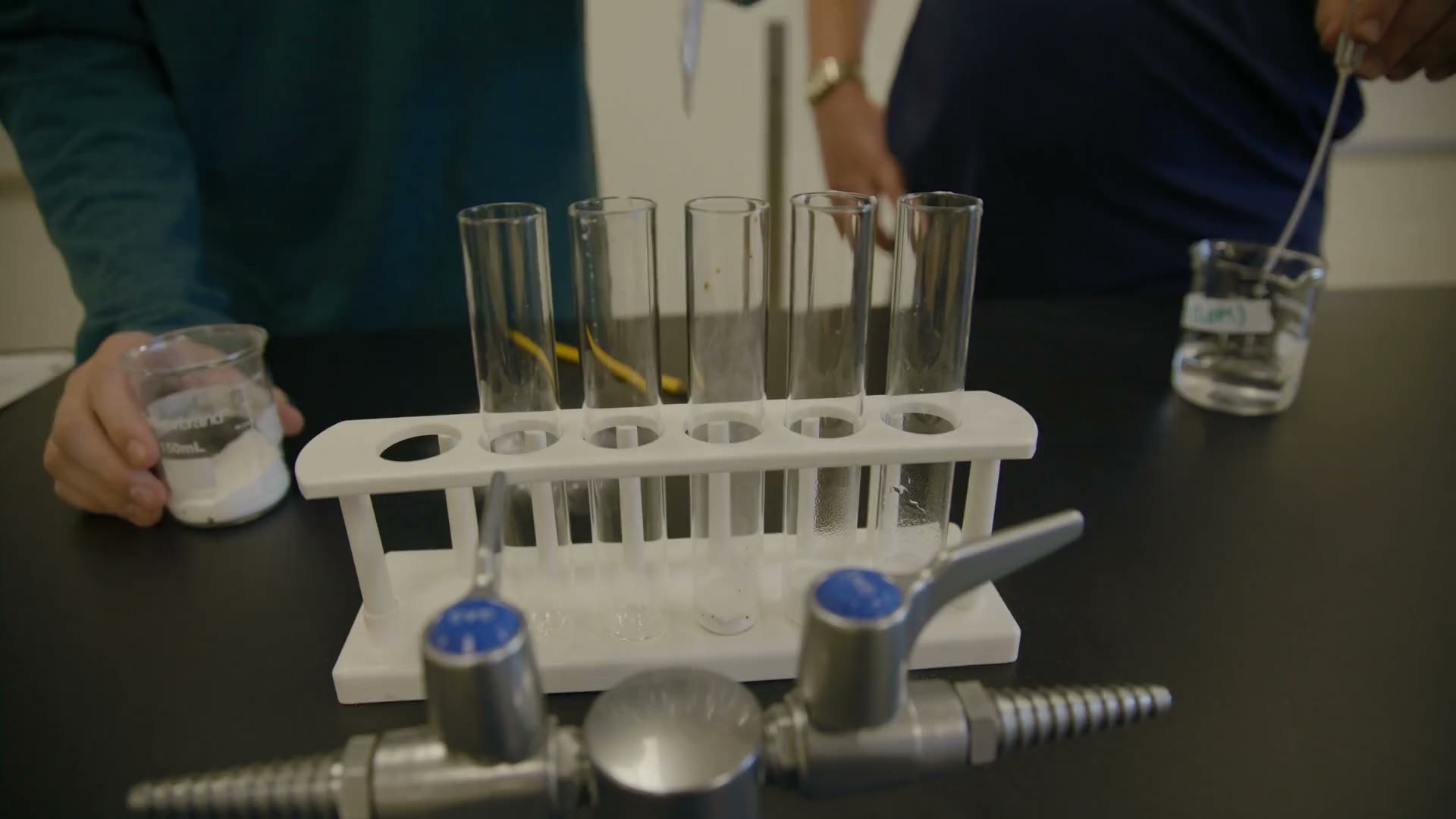
Five mornings on campus for up to 20 college-bound students per section, anytime May through August. Pick a 20-hour intensive to focus on content, or choose the 30-hour readiness tier that adds preparation for college skills critical to a strong freshman year.
The lowest-commitment way to put my teaching in front of your students or staff.
A semester of study systems that turns STEM-track students into independent learners.
The discovery call sets the scope; the written proposal carries one all-in number your office can take straight to budget.
I'm Eric Wolfson, a PhD organic chemist who has spent the last decade teaching the course your graduates are about to meet. My work sits on both sides of the gateway: one-on-one coaching with university students fighting through general and organic chemistry, and institutional programs built for the offices responsible for getting students through them.
Every program on this page is designed and delivered by me personally, so what your school buys is what your students get.

Dr. Eric Wolfson
PhD Organic Chemistry · Founder, My Chem Mentor
Tap a question to expand the answer.
A room and a cohort. I bring the curriculum, the materials, and the teaching. The discovery call settles the calendar and the right first program, and you leave it with a written scope your office can take straight to budget.
Every session is designed and delivered by me, Eric Wolfson: PhD organic chemist, a decade of teaching, and workshop programming built for Johns Hopkins University's academic support office. No subcontractors, no rotating tutors, and nothing outsourced for your office to explain later.
The preparatory intensive is in-person, on your campus. Workshops run either way: on campus or live-virtual. Semester cohort coaching is live-virtual by design, so it slots into a free period without a travel line on the invoice.
The intensive runs May through August, timed to the summer before college. Cohort coaching runs across a fall or spring semester. Workshops are single sessions and book year-round, including PD days.
Every engagement is a fixed-price contract scoped to your school: the discovery call sets the scope, and the written proposal carries one all-in number your office can take straight to budget. When travel applies, it is itemized at cost with receipts and never marked up; Maryland, the Washington, DC area, and greater Columbus, Ohio carry little to no travel cost.
Tell me about your students and your calendar, and I'll map the program that fits and put a written scope in your hands. No obligation, no pressure.

Get study tips, prep guides, and the occasional heads-up about new courses. No spam, and you can unsubscribe anytime.