

How it all comes together.
Each step of the program, what it involves, and what it looks like in practice.
Book Free ConsultationSessions
How a session runs.
01
Book a time
Grab a slot that fits your week. A single session, a package hour, or a standing weekly time all book the same way.
02
Work it together
We solve problems together on a shared interactive whiteboard: your homework, your exam prep, your lab report, whatever the week demands.
03
Keep the recap
After the session you get a written recap of what we covered, so the work carries into your next study block instead of evaporating.
Sessions run on Kedyou.
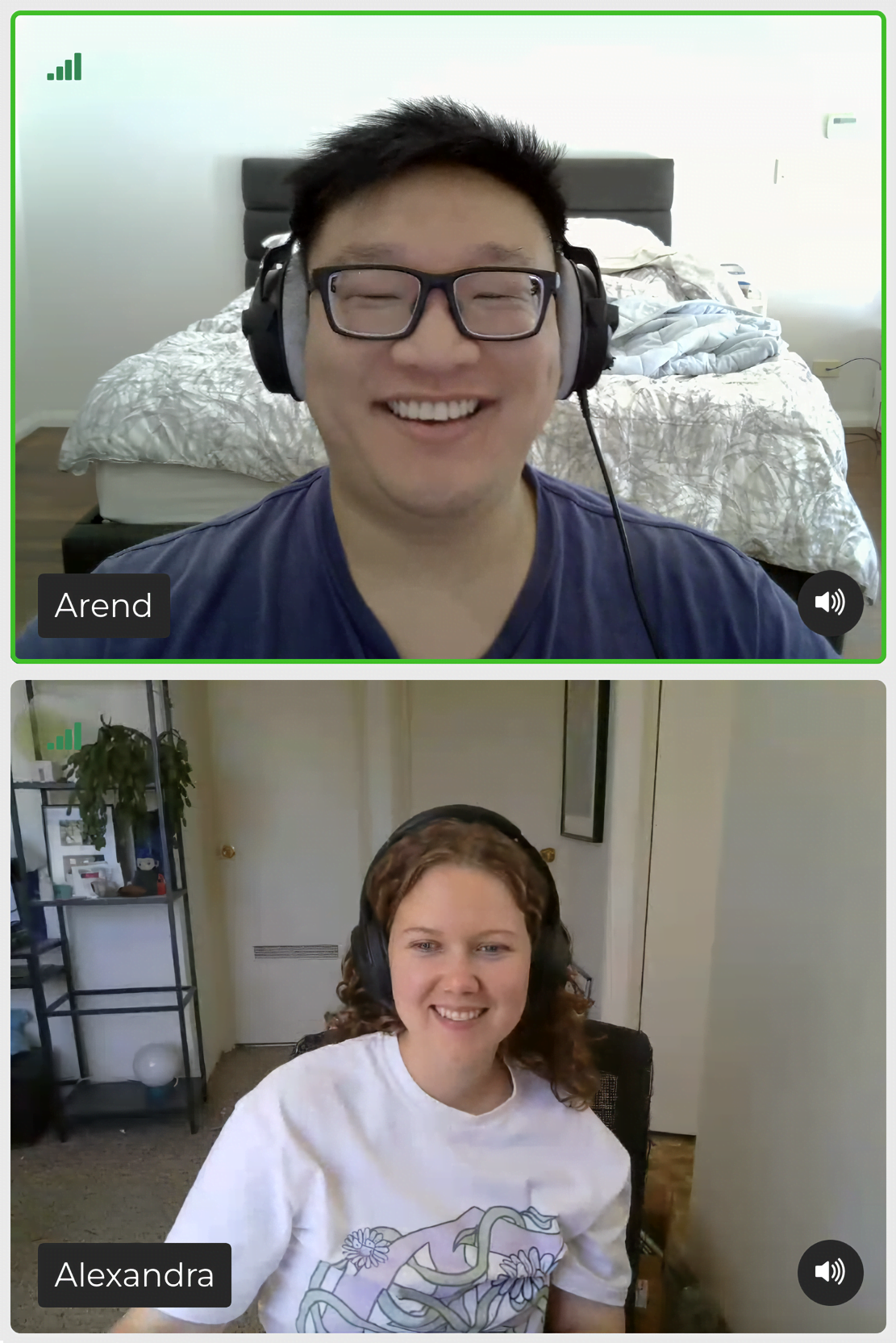
Kedyou is a free interactive workspace built specifically for tutoring: a shared whiteboard with a built-in video call, so we can talk through a problem while we both draw on it, in sync, with no lag.
Setup could not be easier. There is nothing to install and nothing to pay for: click the session link, set your name, and get to work.
- Shared whiteboard and video call, right in the browser
- PDF and image upload with real-time annotation
- Every board saves and exports to PDF for later review
- Free to use, with no installs and no account setup
Your first session is covered by a good-fit guarantee.
Not the right fit? Full refund, no reason needed. And if life gets in the way, any session reschedules free with 24 hours' notice. Details in the Refund & Cancellation Policy.
Workspace demo and video-call imagery from kedyou.com, used with permission.
The Program
Support, Develop, Enable.
The 3-pillar framework I use to fit the best support to each student's needs. Each pillar is broken down below: what I'll actually do, why I'll do it, and how it looks in practice.

Support
Master the material.
Chemistry you can actually do, not just memorize.
Expert, PhD-level help on exactly what is in front of you, whether it is exam prep, homework, lab reports, or the mechanism that will not click. Sessions run on an interactive whiteboard, so you are working the problem with me, not watching.
What I'll do
Interactive whiteboard sessions covering pre-existing knowledge gaps, active course content, and the best test taking approaches. I'll also help you build proper studying habits and routines to get your head back above water if you're struggling to stay afloat.
Why I'll do it
Here's a paradox for you: Most students who struggle are often over-studying. Once you fall behind, studying becomes more and more tiring and slow, forcing you to work harder and longer than you should need to. Proper support relieves the pressure on you.
Support · Master the material
- Expert chemistry help for exams and coursework
- Personalized study strategies that fit your learning style
- Test prep and last-minute exam crisis support
- Life coaching for the stress that comes with hard science

Develop
Build your direction.
Understand your options and learn to think like a scientist.
Getting to the right answers means asking the right questions. You and I work through the career paths available to you and the skill gaps you need to fill, then build a personalized roadmap and training plan to get you there on your timeline.
What I'll do
Talk through the paths genuinely open to you (research, med school, industry, and beyond) and work actively to find what actually drives you. Then I build you a development roadmap with detailed timelines and get you trained/experienced where it counts the most.
Why I'll do it
Students who choose their path for the right reasons tend to be better students, applicants, and professionals. Getting that clarity early is time well spent. Drifting on momentum can cost years that are hard to recover. I would rather help you avoid that.
Develop · Build your direction
- Identify what drives you and where you want to go with it
- Career conversations: research, med school, industry, and beyond
- Training on any of 50+ critical professional and life skills
- Professional profile building: LinkedIn, headshots, and outreach templates

Enable
Launch your future.
The introductions, polish, and prep to actually get there.
Get the network, the essays, and the preparation you need to stand out. You have built the skills; now I coach you on presenting them effectively.
What I'll do
Open doors through facilitated outreach to research labs and access to an established professional network, then help you choose schools and shape your application strategy. Mock interviews with real-time feedback get you ready for the room.
Why I'll do it
Strong grades get you in the room, but research, a letter from someone who knows your work, and a clear scientific narrative are what earn the acceptance. This is where you move from a qualified prospect to a compelling applicant.
Enable · Launch your future
- Networking introductions to researchers and industry professionals
- Research opportunity identification and oversight
- Professional and post-graduate program application prep
- Interview coaching and professional readiness
How it could look for you.
Two years of coaching is hard to picture. So much can happen in that time, it feels abstract. Walk through this hypothetical student’s thread to get an idea of how working with one coach long-term can translate to success at every stage of your journey.
The student is fictional, but the challenges are real.
Day 1first session
Common questions
Tap a question to expand the answer.
How are sessions structured?
Each session is 60 minutes on a virtual whiteboard, focused on the material in front of you, with a written recap afterward so the work carries over to your next study block.
What happens in the first few weeks?
The early work is about mastering the material: closing the specific gaps that keep tripping you up and building the organization and planning habits that make the rest of the semester manageable.
What is the difference between tutoring and the Coaching Program?
Tutoring is focused chemistry help on active coursework. The Coaching Program adds career and identity development plus research and application support, with one person who knows your whole story rather than a new tutor each term.
How long do students usually work with you?
It ranges widely, from a single exam push to multi-year engagements that run from prerequisites through professional-school applications.
Ready to build something bigger than a grade?
Book a free 30-minute consultation. No commitment, no pressure. Just an honest conversation about where you are and what it would take to get you where you want to go.
